GreenLeap
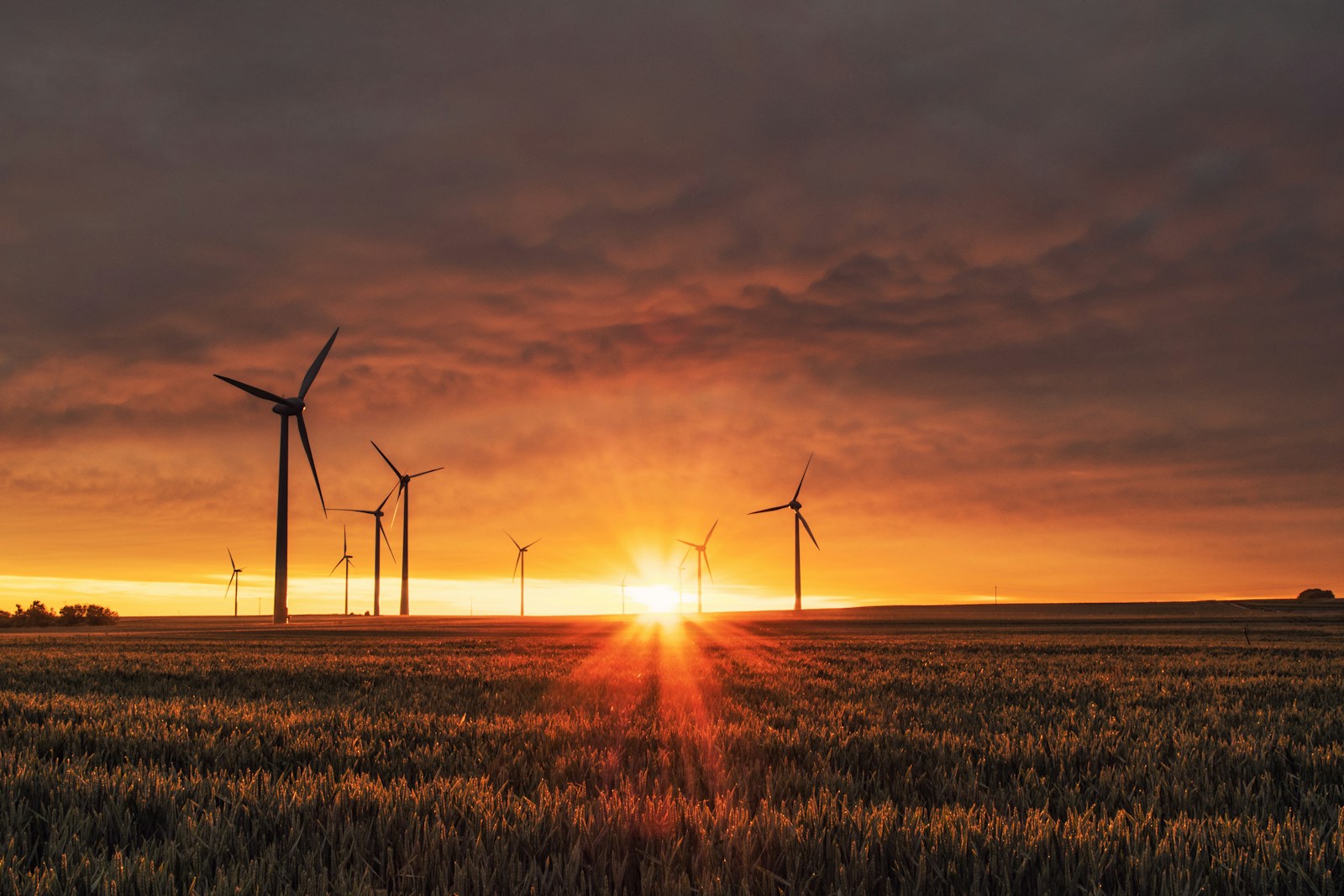
Renewable energy landscape with wind turbines and green hills

Learn solar

A brief education on solar power

Solar power is renewable and effectively permanent. Here is how a plant actually works, and what changes for you once one is running on your site.

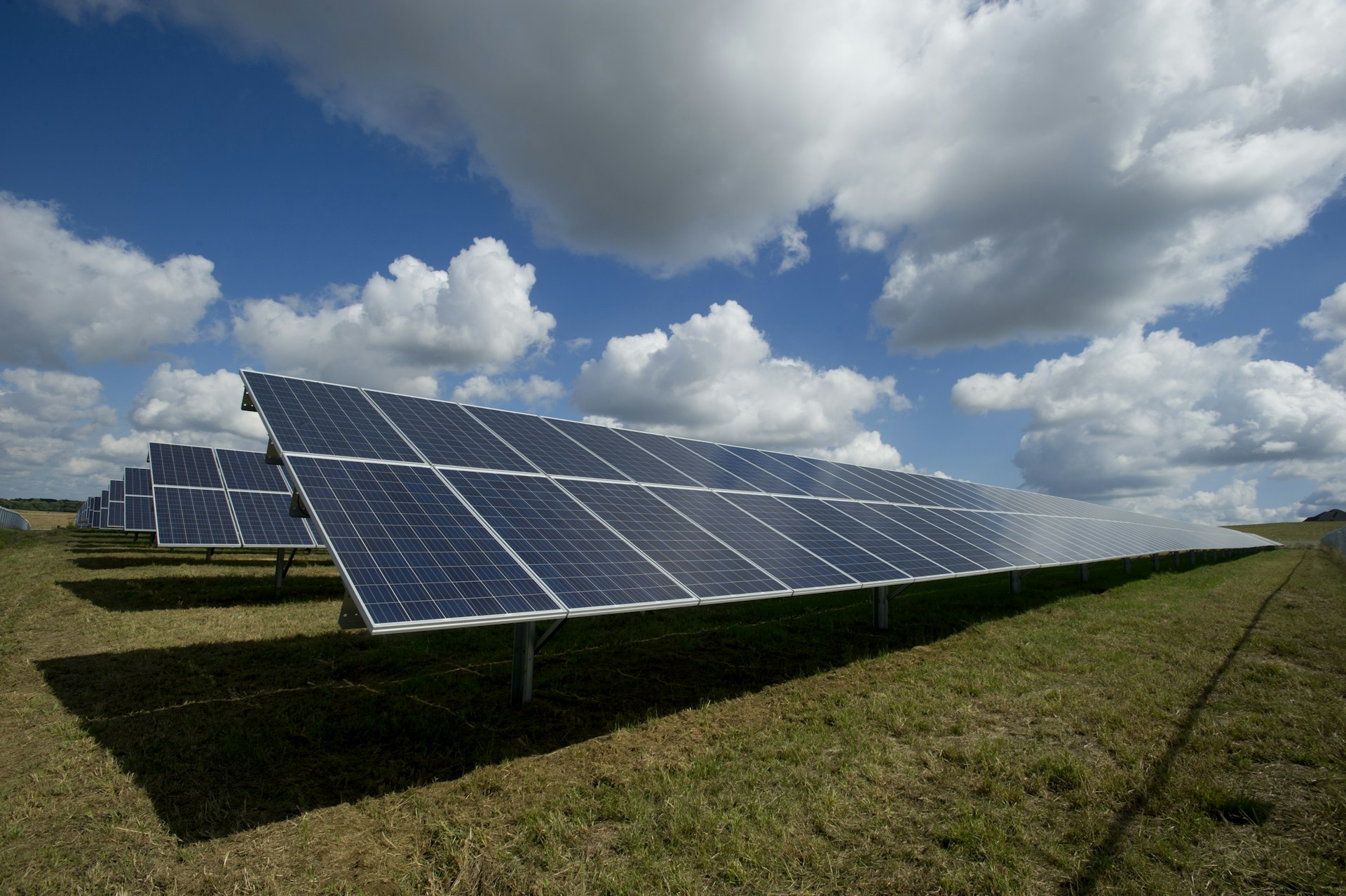
Rows of solar modules converting sunlight into electricity

The basics

Sunlight in, usable electricity out

Solar modules, made mainly of silicon, convert sunlight into electrical power. With a few items of equipment attached to those modules, that power is delivered for use at home, in an office or across a commercial establishment.

Modules are installed on rooftops, on the ground, or — with modern technology — floating on water surfaces. The complete installation is what we call a solar plant.

Two ways to connect

Off grid stores the power. On grid sells it back.

Off grid

The plant is connected to a set of batteries that receive power during sunshine hours and store it for use whenever it is needed. It works exactly like a torch or phone battery: when grid power is cut off, the charged battery supplies your load.
On grid

There are no batteries. Through an inverter, generated power is supplied to the grid or your DISCOM, which purchases it from your facility. At month end, the units you exported are deducted from your bill and you pay only the balance.

Sizing

How many modules will your site need?

Each module has a rated output. Depending on the power the end user needs, the engineer decides how many modules are required — after accounting for area, shading and expected generation.

Rooftop

Best where roof area is available and consumption happens on the same premises.

Ground mount

For larger capacities where land is available and layout can be optimised.

Floating

Modules on floating structures over reservoirs, ponds and other water bodies.

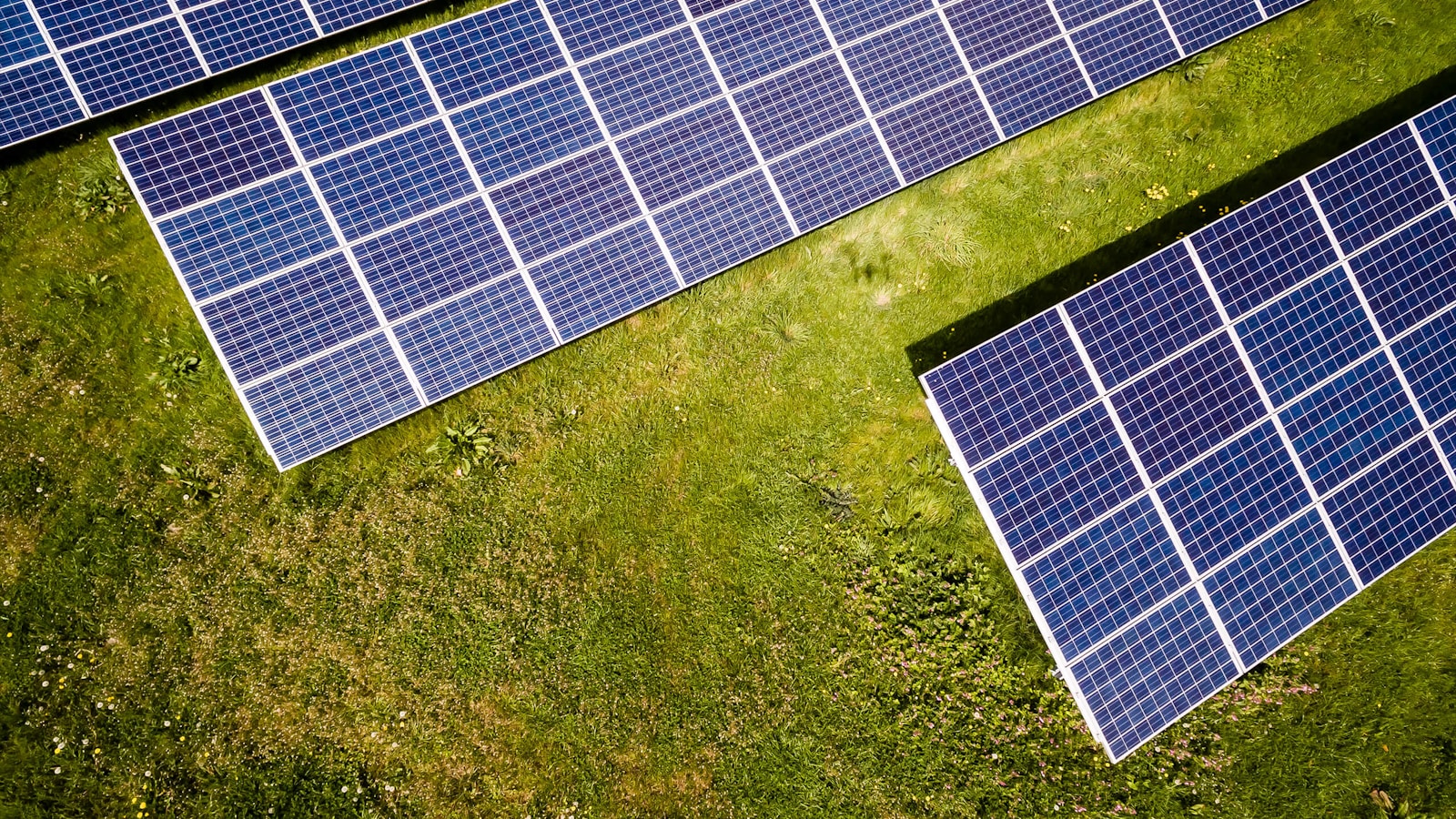
Solar modules installed across a large rooftop

Renewable energy is the way of the future

As fossil fuel supply dwindles and scrutiny over pollution, climate change and health grows, costs keep rising. Solar power is ready and available to homeowners and commercial establishments today.

Benefits

Unique features of solar energy

Beyond environmental and cost benefits, solar offers advantages that matter especially to anyone concerned with energy security and independence.

Low maintenance

After installation, only basic yearly maintenance and cleaning are needed. Cells have no moving parts and stand up well against damage.

Constant power source

The sun rises and sets predictably, and seasonal sunlight can be forecast — so generation can be planned with confidence.

Energy security

Grid electricity costs track energy prices, which move with markets, supply and politics. Your own generation does not.

Energy independence

Oil reserves may run out; the sun will not. Solar offers genuine independence from fuel supply chains.

Silent operation

Unlike generators and power plants, solar panels make no noise while producing energy.

Low space requirement

Panels can be mounted almost anywhere — rooftop, ground or even water bodies.

Everyday impact

What running on solar looks like

  1. 01

    Homes

    Air conditioning, laundry, television and cooking run on daytime generation while your bill falls.

  2. 02

    Offices & commercial

    Office equipment and cooling load align well with solar generation hours.

  3. 03

    Industry

    Even industrial factories can offset a meaningful share of load without straining the grid.

Questions

Solar, answered plainly

Ready to see what solar does to your bill?

Share your site, load profile or timeline and we will come back with a practical next step.

Talk to GreenLeap